ARTIST STATEMENT
Ardalan Ashenagar’s work exists at the intersection of theatre, image, and memory—within a space suspended between reality, ritual, and narrative. His artistic practice is driven by an engagement with hidden worlds, fragmented memories, and narratives that often remain outside the boundaries of official or dominant cultural discourse
For Ashenagar, Southern Iran is not merely a geographical reference but a fundamental layer of his visual language and artistic structure. His lived experience in Bushehr, along with his exposure to local rituals, music, folklore, and indigenous belief systems, has deeply shaped his artistic perspective. Within his works, these elements do not appear as direct representations, but rather as embedded layers within image and performance.
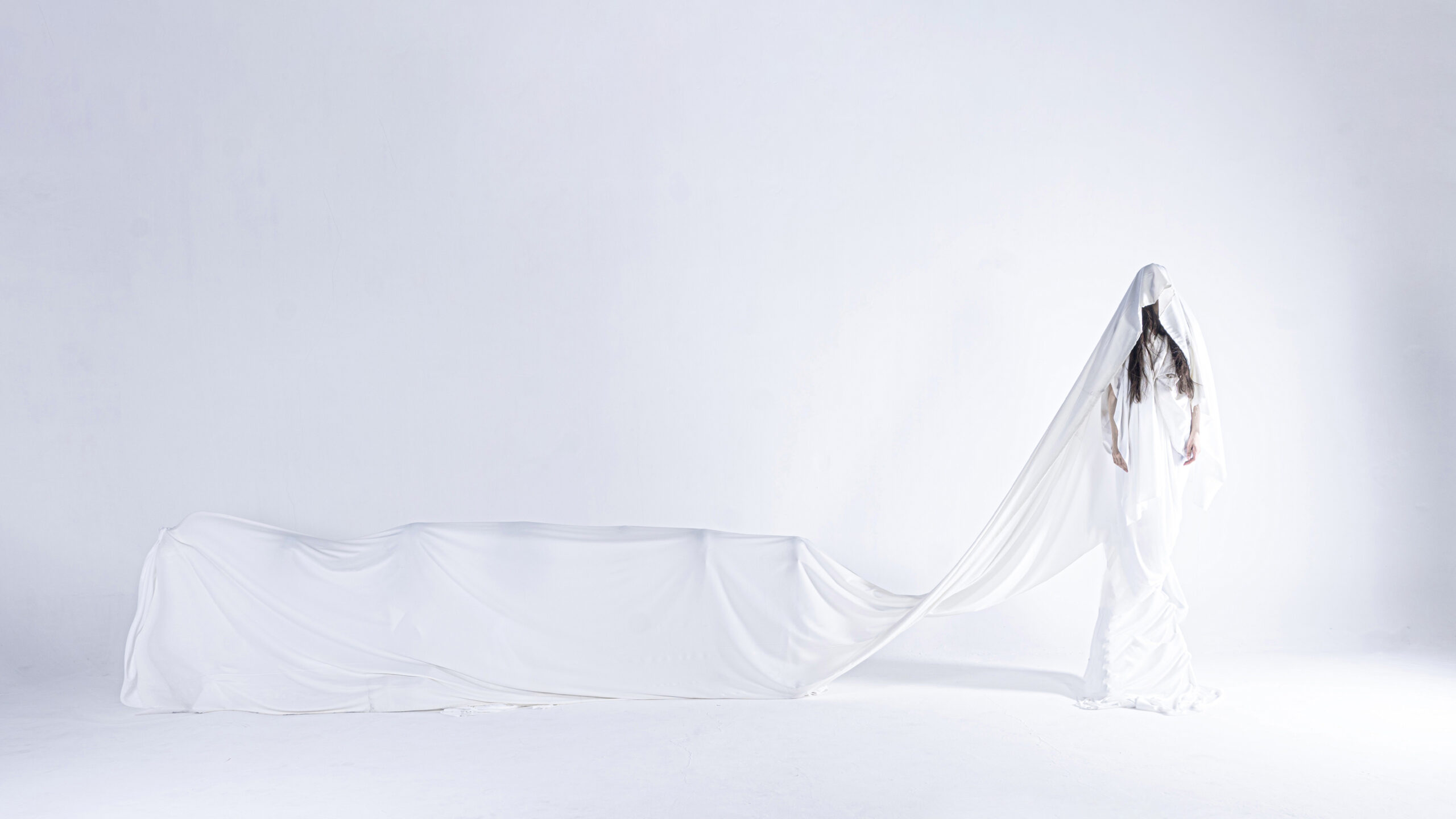
His practice is concerned with spaces where the boundary between reality and symbolism dissolves—where an image can exist simultaneously as documentary and dream, and where performance transforms into a ritualistic experience. In this context, the body, sound, silence, darkness, and memory become integral parts of the narrative structure
In Ashenagar’s view, theatre is not merely a medium of representation, but a means of invoking memory, reactivating collective narratives, and confronting the unseen. This approach also informs his ongoing research into the rituals and cultural traditions of Southern Iran, exploring the relationship between human experience, mythology, fear, belief, and contemporary life
Ultimately, his work seeks to develop a language capable of articulating worlds that have not yet been fully seen, heard, or understood
For Ashenagar, Southern Iran is not merely a geographical reference but a fundamental layer of his visual language and artistic structure. His lived experience in Bushehr, along with his exposure to local rituals, music, folklore, and indigenous belief systems, has deeply shaped his artistic perspective. Within his works, these elements do not appear as direct representations, but rather as embedded layers within image and performance.
His practice is concerned with spaces where the boundary between reality and symbolism dissolves—where an image can exist simultaneously as documentary and dream, and where performance transforms into a ritualistic experience. In this context, the body, sound, silence, darkness, and memory become integral parts of the narrative structure
In Ashenagar’s view, theatre is not merely a medium of representation, but a means of invoking memory, reactivating collective narratives, and confronting the unseen. This approach also informs his ongoing research into the rituals and cultural traditions of Southern Iran, exploring the relationship between human experience, mythology, fear, belief, and contemporary life
Ultimately, his work seeks to develop a language capable of articulating worlds that have not yet been fully seen, heard, or understood